Beyond Chemicals: The Future of Integrated Weed Management (IWM)
Relying on a single method of weed control is no longer viable in the modern agricultural landscape. This overarching study aggregates data from mechanical, biological,
Patricia C. Amedee 4401 Waldeck Street
Grapevine Nashville, TX 76051
(001) 88451234
(001) 88455438
Head of the Department
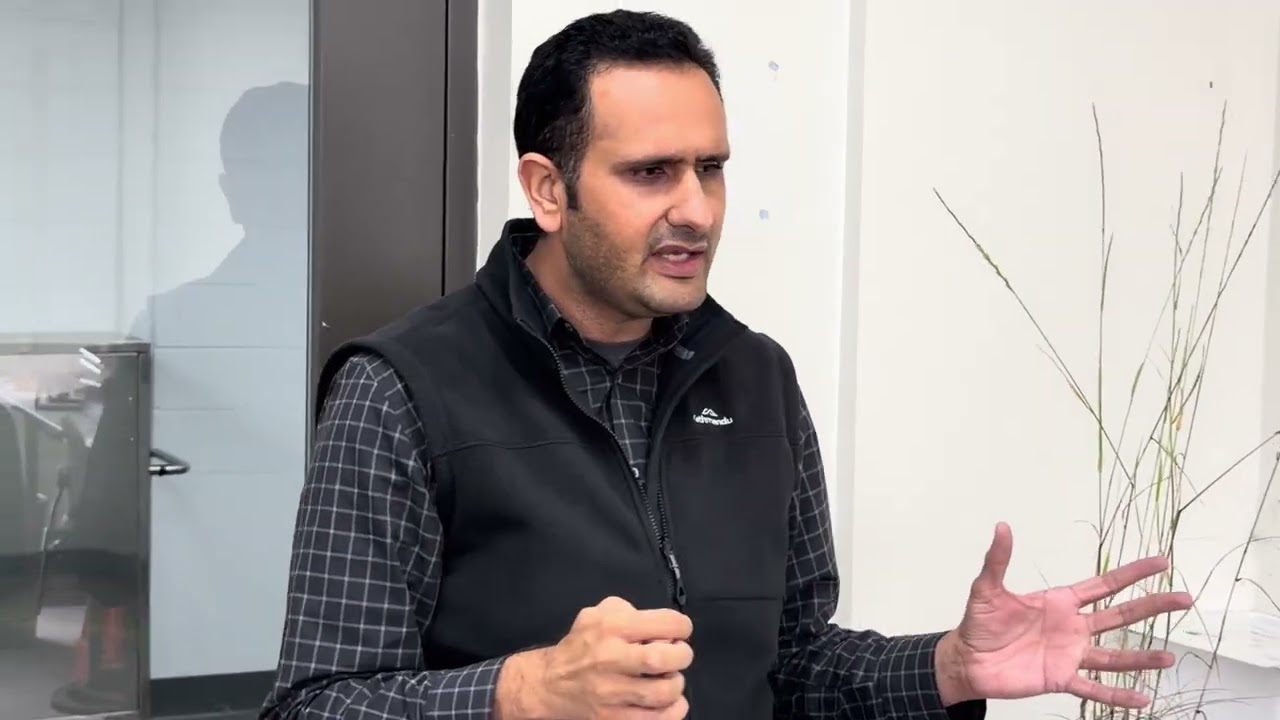
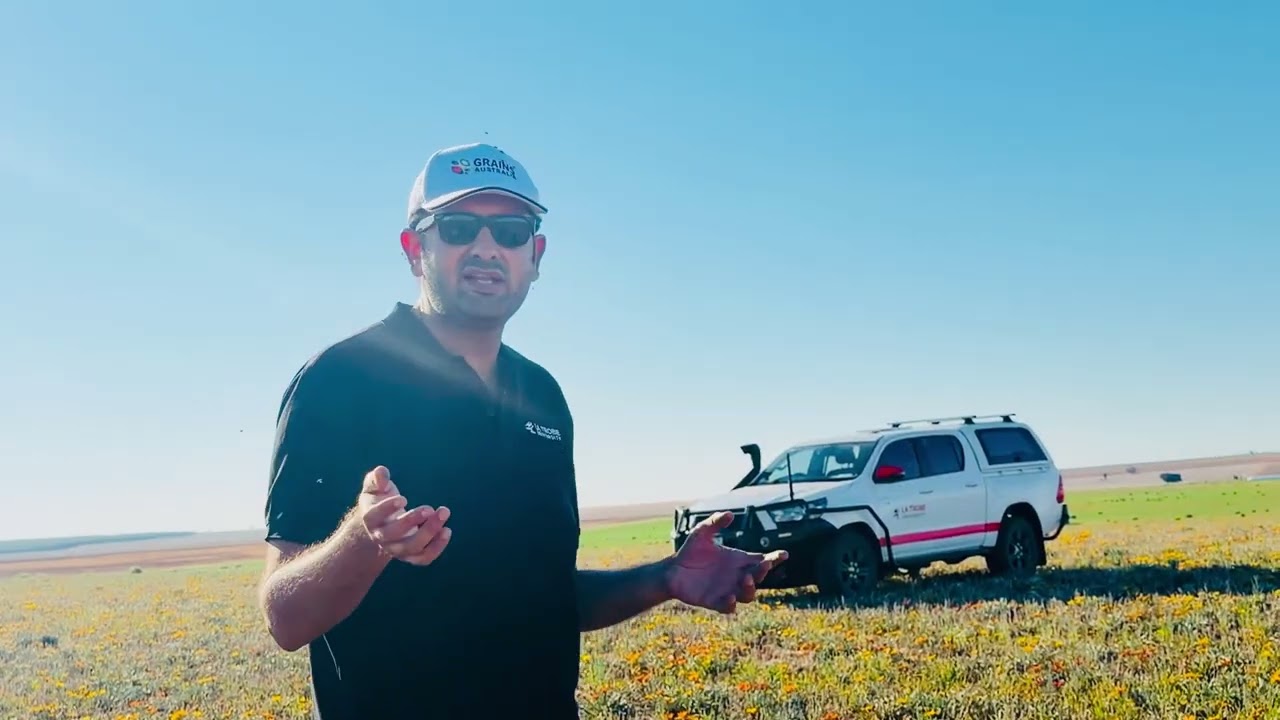
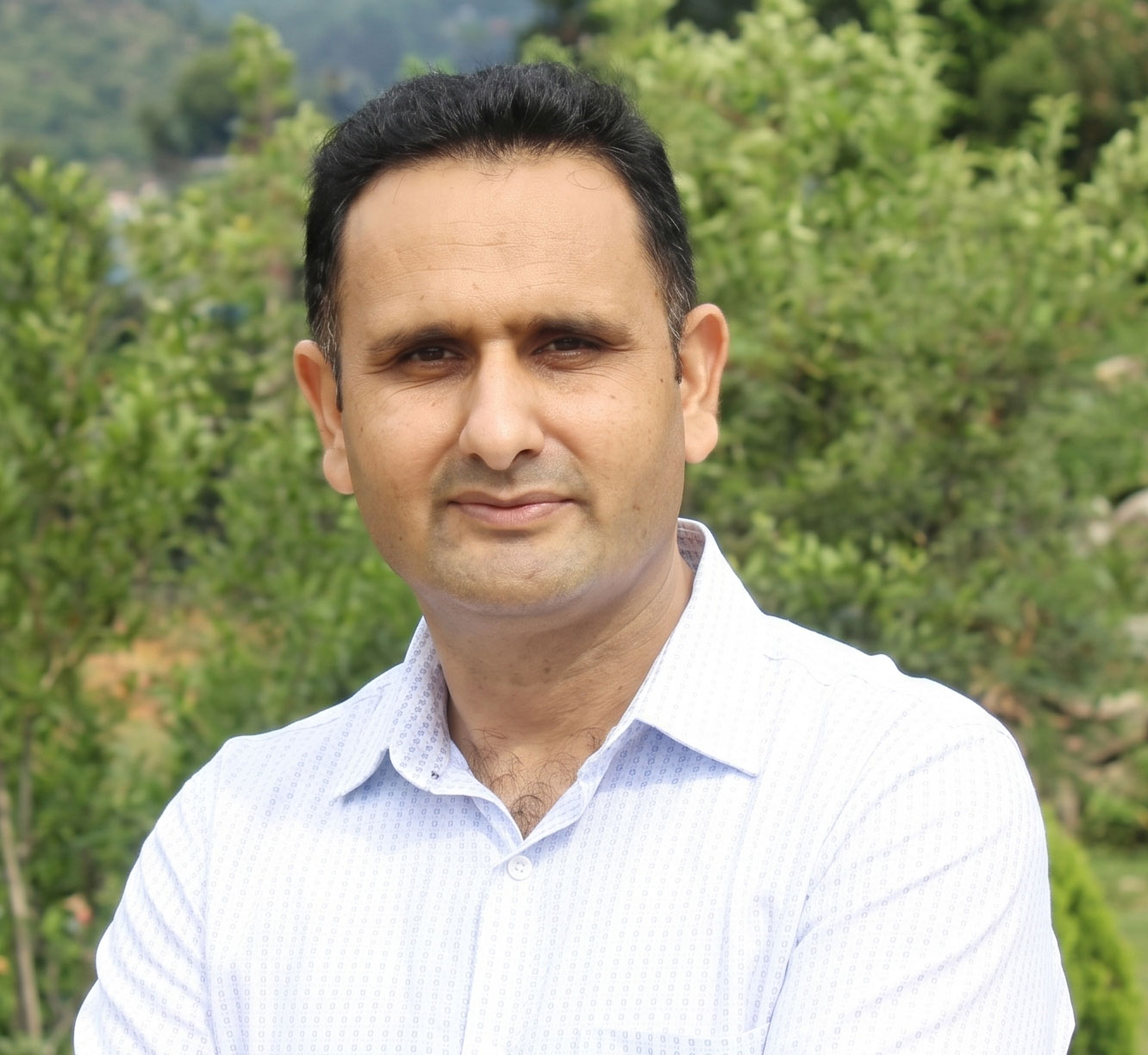
I am a plant scientist trained in weed science. Why WEEDS? Well, weeds (or what we call unwanted plants) cost the Australian economy $5 billion each year in terms of lost production and control efforts. In addition, they cause irreparable damage to the environment and biodiversity.
My research focuses weed biology, invasion ecology and ecologically based integrated weed management (IWM). The overarching goal of my program is to improve our understanding of weed biology and evolution to be able to develop sustainable management strategies. The development of true IWM programs dominated by non-chemical and ecological practices is at the core of my applied research. The objective is to prevent the weed seedbank built-up while reducing the sole reliance on herbicides. Over the years my prime focus has been on understanding the ecological mechanisms driving the weed adaptations under changing climate, land use and management practices. It has allowed me to study weeds and invasive plant species in a range of landscapes including agronomic crops, pastures and rangelands.
I am a big fan of multidisciplinary research and systems approach aimed to address the complex problems. Like weeds my research interests are also evolving all the time with current focus on understanding the adaptive mechanisms, especially phonological changes and their genetic bases in weed species exposed to different selection pressures.
Teaching interests lie in the areas of weed ecology, farming systems and sustainable crop production. Big fan of two-way knowledge exchange and concept-based learning. No question is a silly question !!!

Relying on a single method of weed control is no longer viable in the modern agricultural landscape. This overarching study aggregates data from mechanical, biological,

Understanding exactly how weeds steal sunlight and nutrients from crops is vital for setting economic thresholds. Using state-of-the-art 3D scanning, our team has modeled the
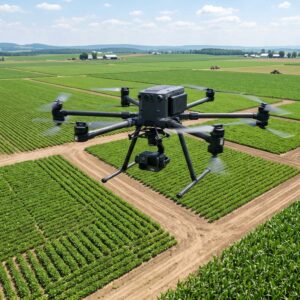
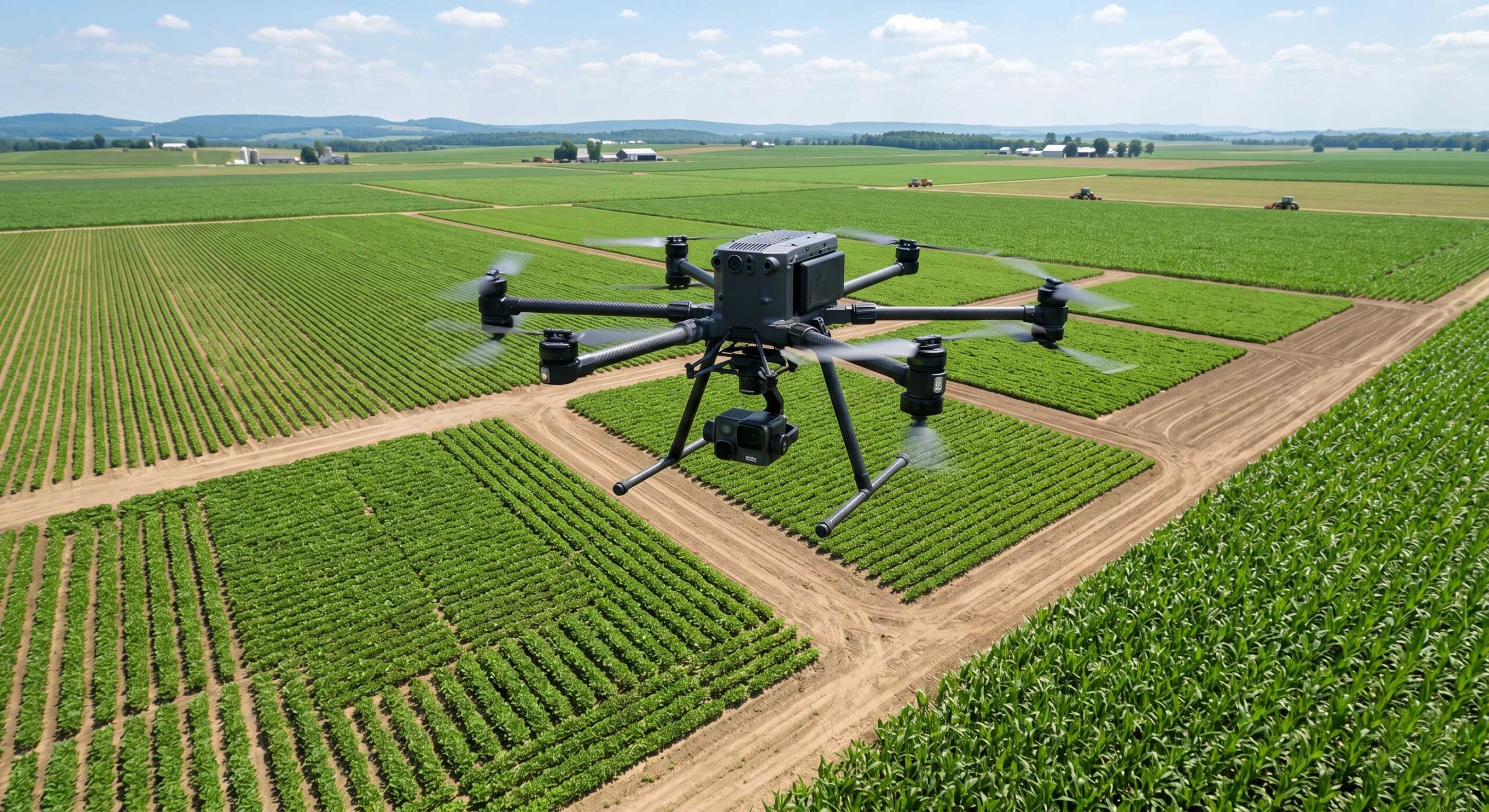
Recent advancements in artificial intelligence have revolutionized spatial weed mapping. By utilizing high-resolution multispectral imagery captured via unmanned aerial vehicles (UAVs), researchers can now identify
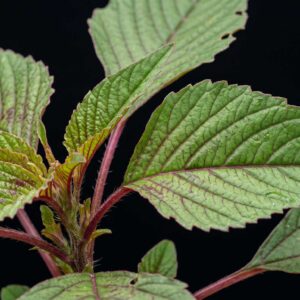
Palmer Amaranth remains one of the most aggressive and adaptive weeds in modern agriculture, developing widespread resistance to glyphosate. Our latest trials explore multi-tiered metabolic
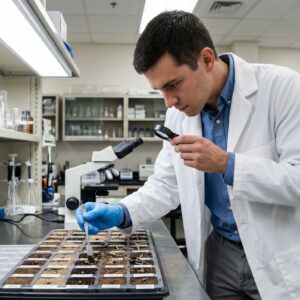
Effective weed management begins long before the first sprout appears. This study details new methodologies for deep-soil sampling to quantify dormant seed banks. By mapping
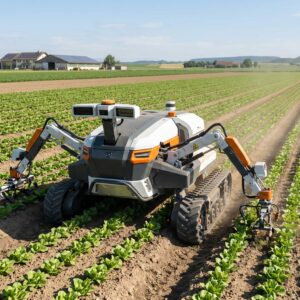
The reliance on traditional chemical herbicides is shifting as robotic technology enters the field. This review examines the efficacy of autonomous, solar-powered rovers equipped with