
Dr Muhammad Adnan
Scientist
About
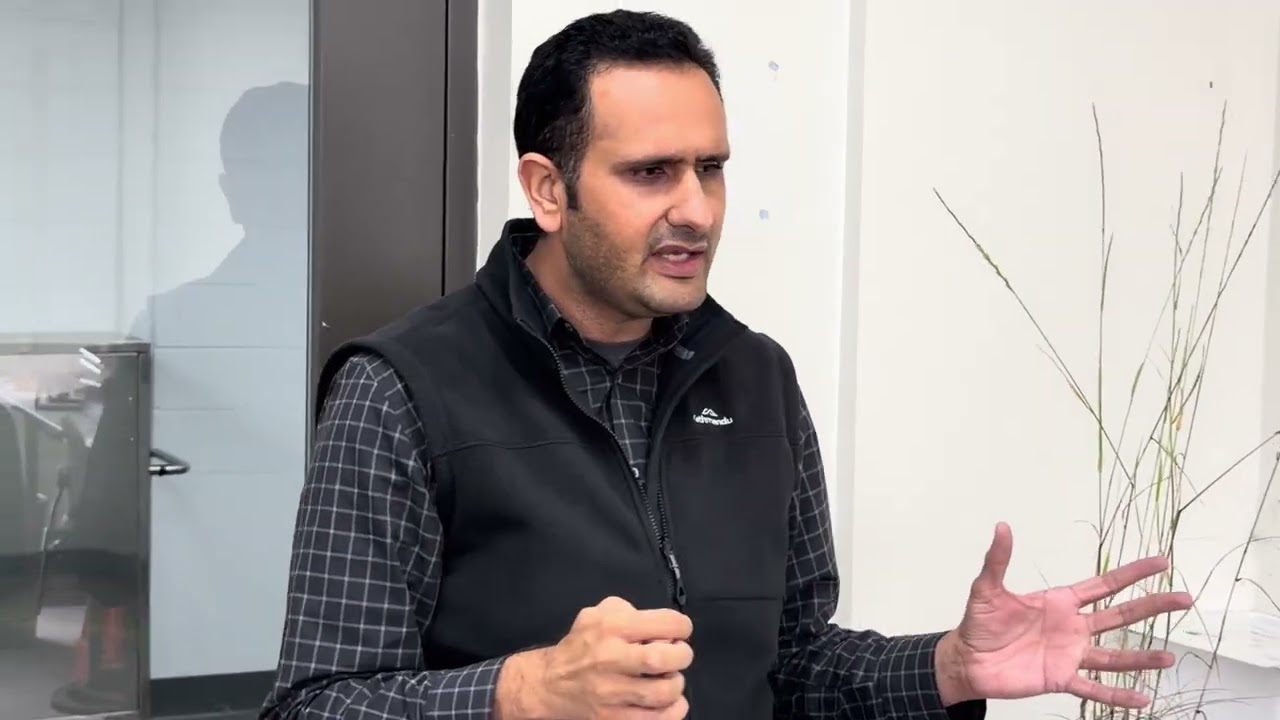
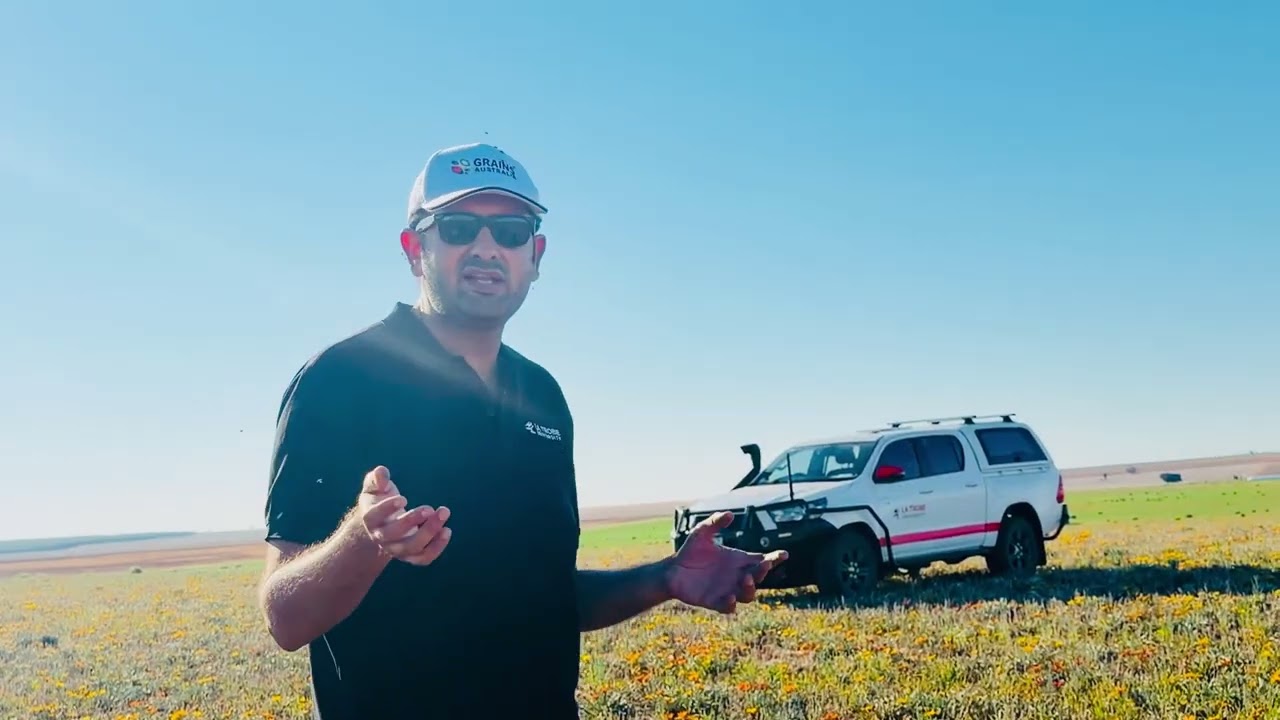
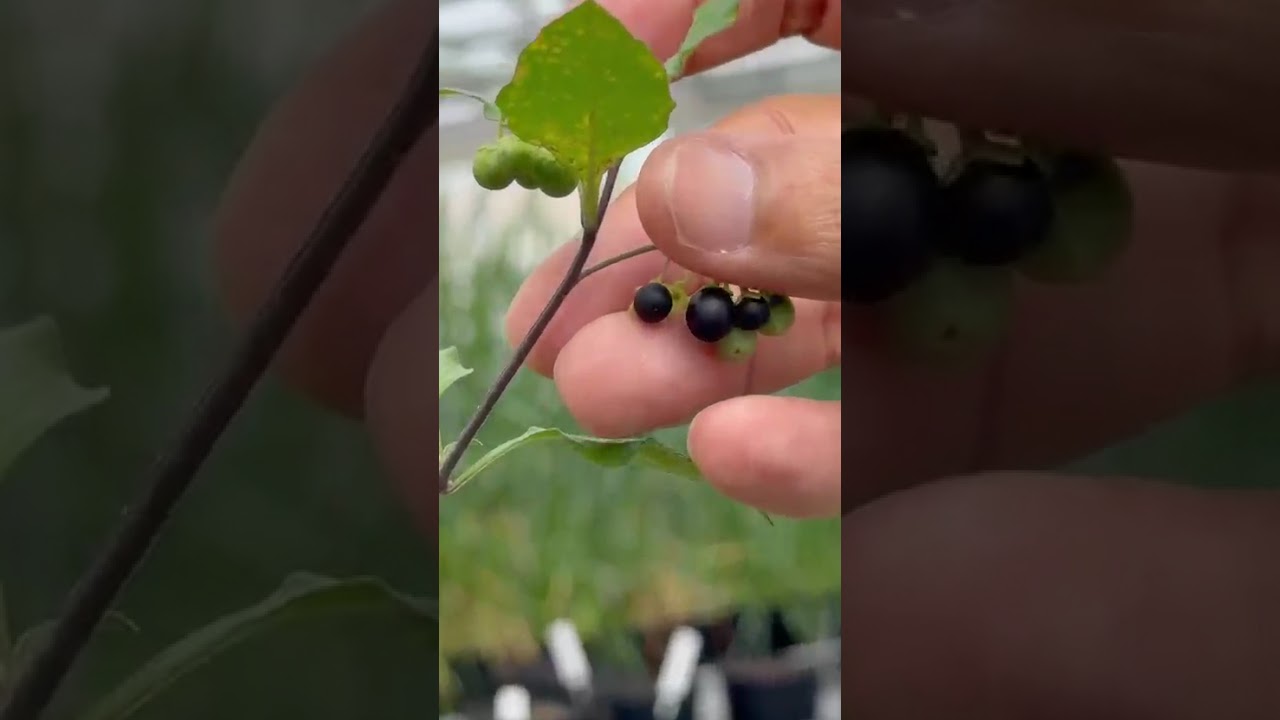
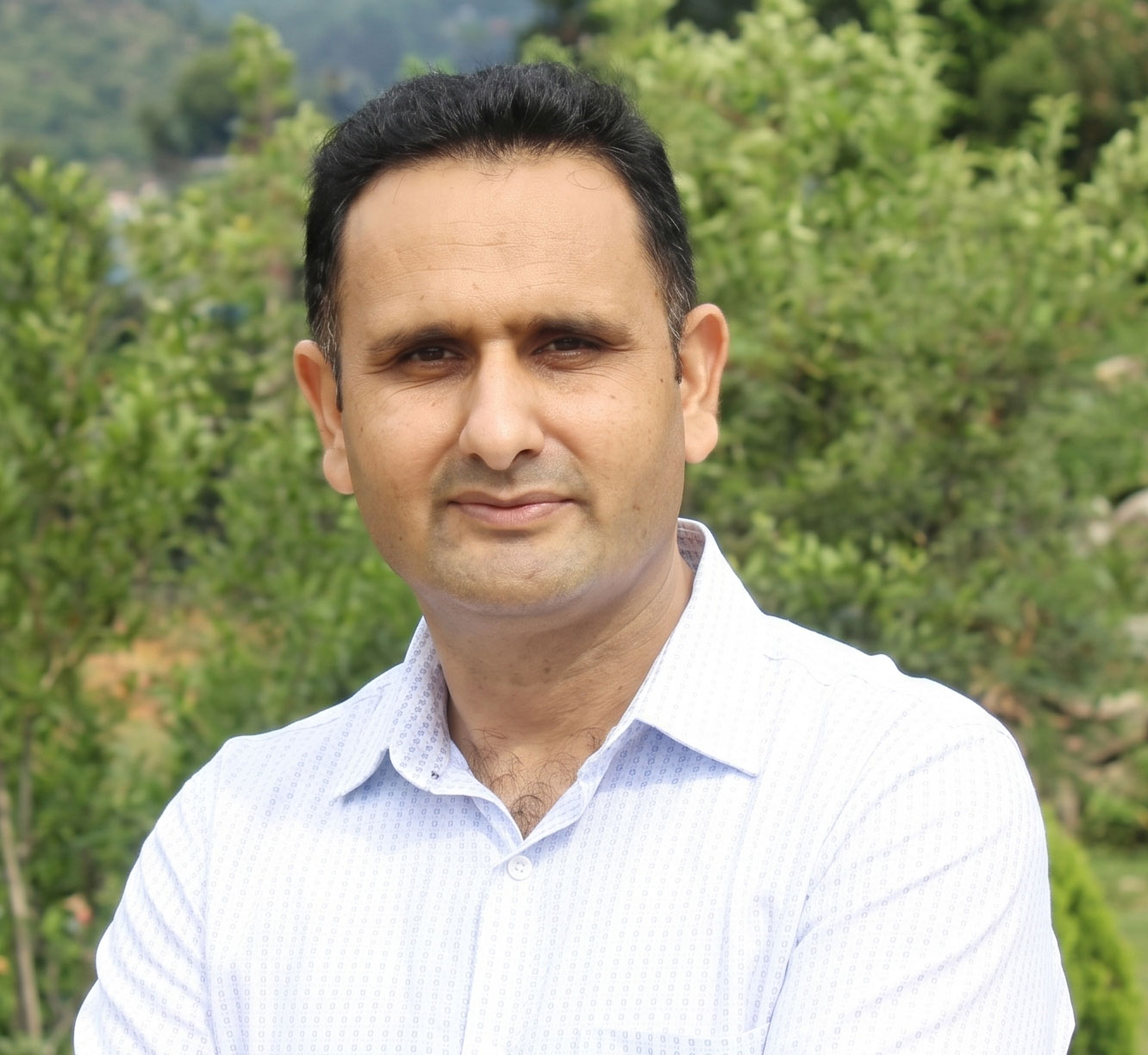
Muhammad Adnan is a PhD student in weed science at La Trobe University, Australia, working with Dr Ali Bajwa. His research focuses on weed seed germination ecology, plant biology, and the management of problematic weed species, particularly in the context of a changing climate. He combines seed germination ecology, weed physiology, biochemistry, and metabolomics to understand how weeds such as gazania and brome grass adapt and thrive under changing climatic conditions. His goal is to develop effective and sustainable management strategies, including chemical control, for these weeds in future climate scenarios.
He holds a master’s degree in Agronomy from the University of Sargodha, Pakistan, graduating as the top student of his class with a perfect CGPA of 4.0/4.0. He also has hands-on experience as a casual Research Assistant at AgriBio, La Trobe University, contributing to applied weed science research projects. Muhammad has contributed to multiple peer-reviewed publications in high-impact journals and has presented his research at national and international conferences, where he received awards for outstanding oral presentations and several travel grants.
Muhammad actively engages with the scientific community through memberships in the European Weed Research Society, Weed Society of Victoria, and La Trobe University’s AgriBio Student Society. He is committed to advancing knowledge in weed ecology and sustainable crop management, while developing solutions to help farmers, researchers and policymakers respond to climate-related agricultural challenges.
RESEARCH WORKS

Beyond Chemicals: The Future of Integrated Weed Management (IWM)
Relying on a single method of weed control is no longer viable in the modern agricultural landscape. This overarching study aggregates data from mechanical, biological,
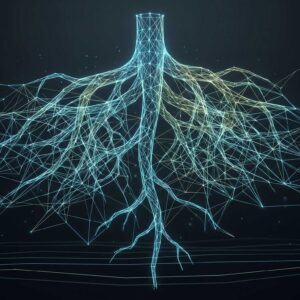
Yield Protection: Advanced 3D Modeling of Weed-Crop Competition
Understanding exactly how weeds steal sunlight and nutrients from crops is vital for setting economic thresholds. Using state-of-the-art 3D scanning, our team has modeled the
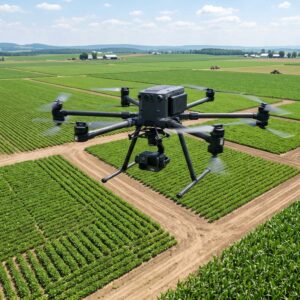
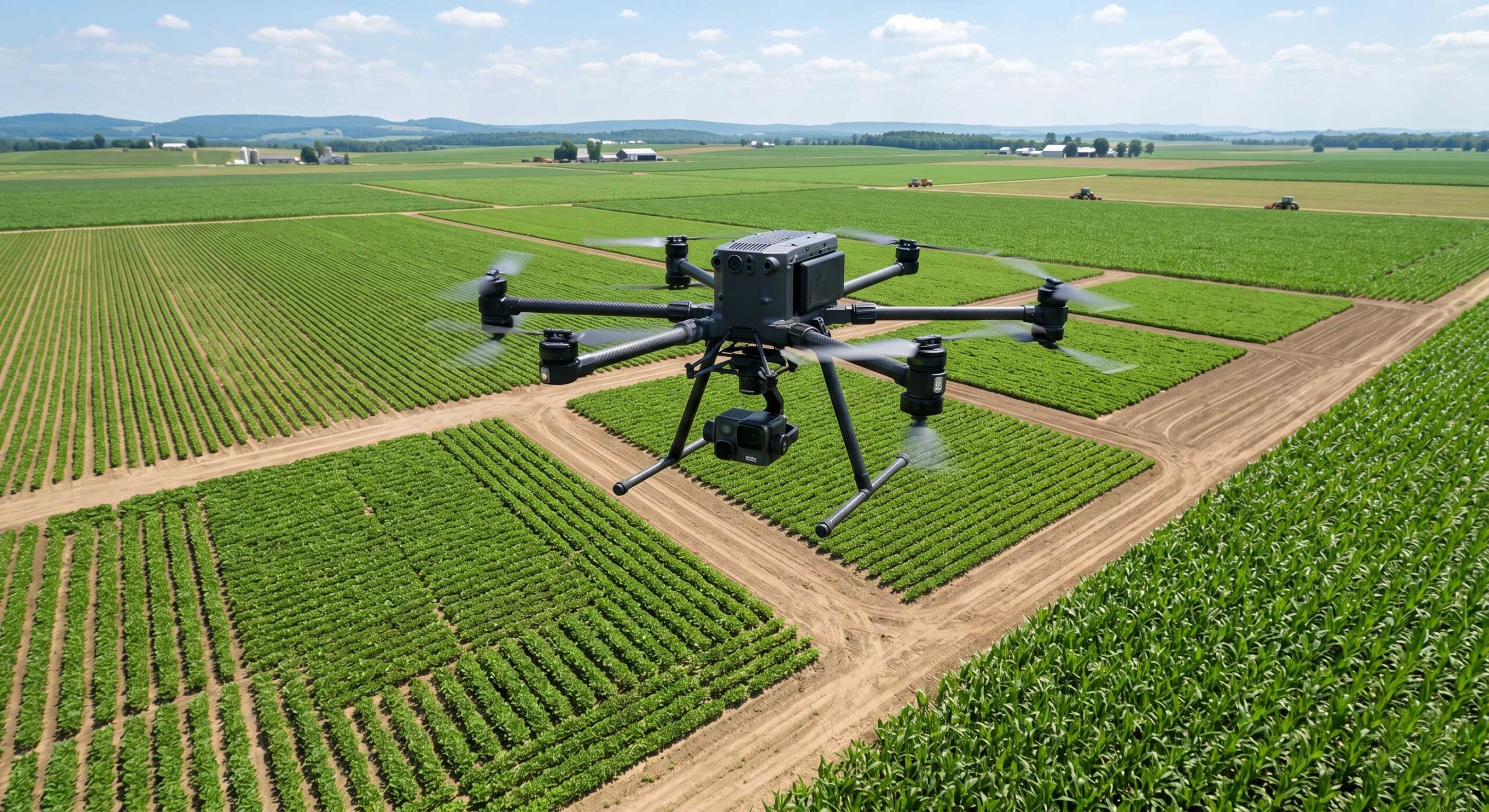
Precision Weed Mapping: The Role of AI-Driven Drones in Modern Agriculture
Recent advancements in artificial intelligence have revolutionized spatial weed mapping. By utilizing high-resolution multispectral imagery captured via unmanned aerial vehicles (UAVs), researchers can now identify
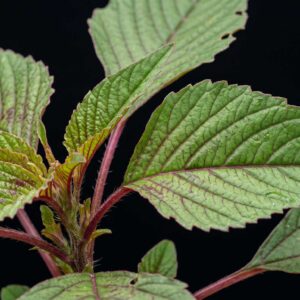
Breaking the Cycle: New Strategies Against Herbicide-Resistant Palmer Amaranth
Palmer Amaranth remains one of the most aggressive and adaptive weeds in modern agriculture, developing widespread resistance to glyphosate. Our latest trials explore multi-tiered metabolic
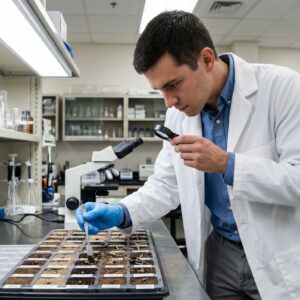
Unlocking the Soil Seed Bank: Predicting Weed Emergence Before It Starts
Effective weed management begins long before the first sprout appears. This study details new methodologies for deep-soil sampling to quantify dormant seed banks. By mapping
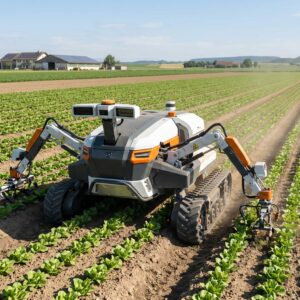
Autonomous Farming: The Rise of Laser-Equipped Weeding Robots
The reliance on traditional chemical herbicides is shifting as robotic technology enters the field. This review examines the efficacy of autonomous, solar-powered rovers equipped with
MEDIA
field work
12:24
4:14