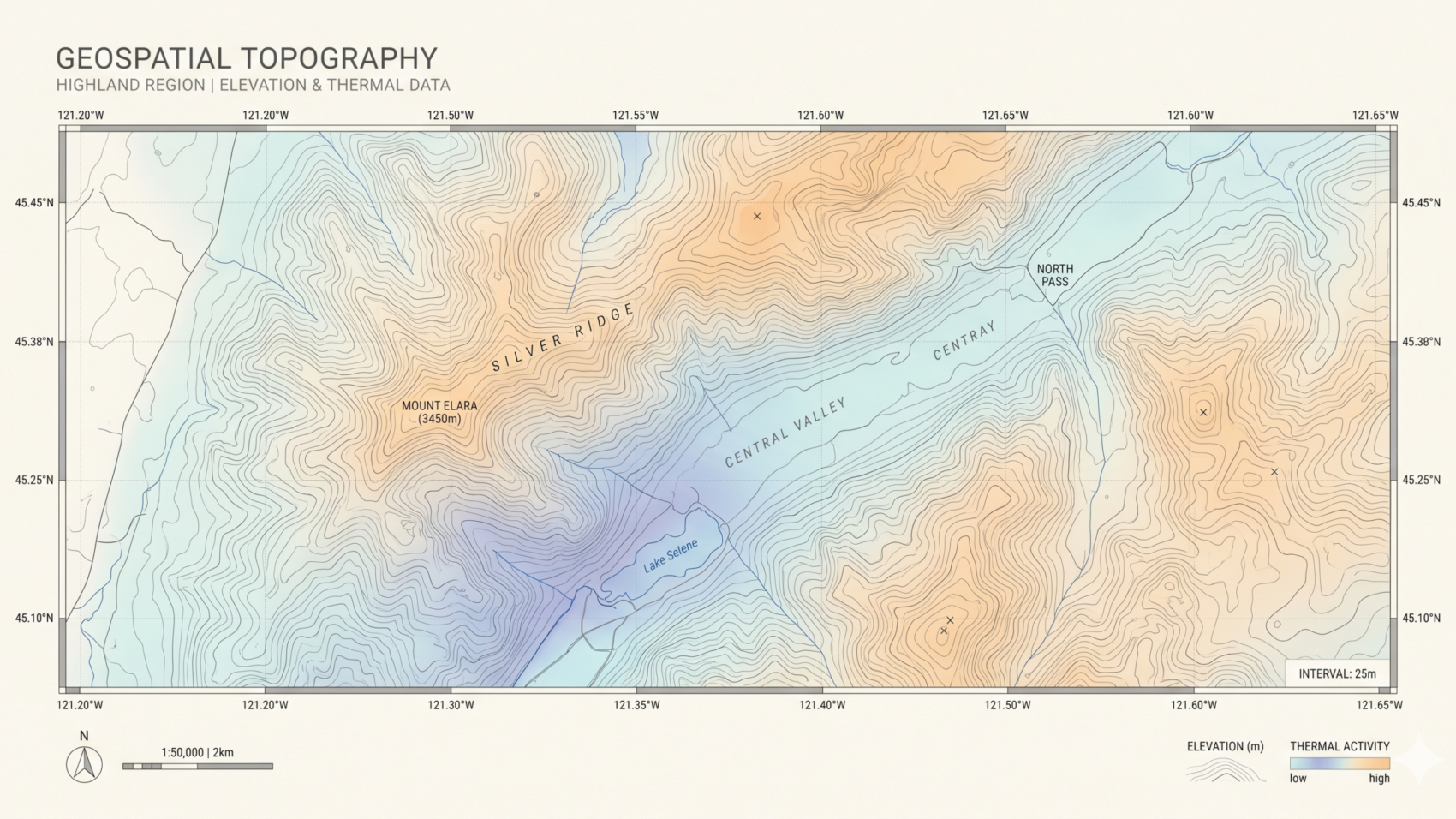
Integrating cover crops like cereal rye and crimson clover during off-seasons serves a dual purpose: enriching soil health and physically smothering winter annual weeds. Our multi-year field survey analyzes the specific biomass requirements needed to block sunlight and inhibit weed seed germination, providing a natural blueprint for weed suppression.
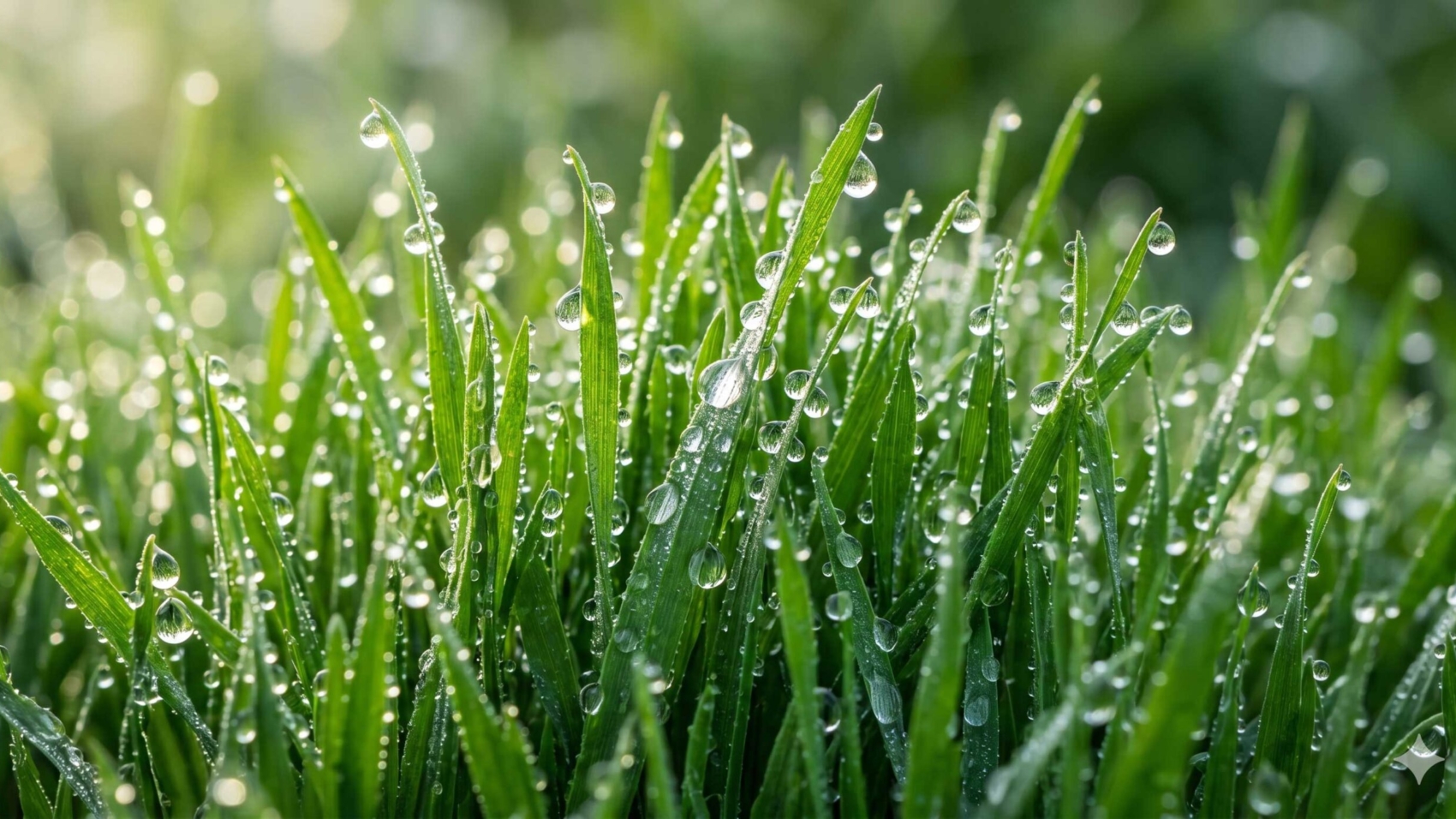
Shifting Zones: How Climate Change is Altering Invasive Habitats
As global temperatures rise and weather patterns become erratic, the geographic footprints of notorious invasive weeds are expanding northward. This research tracks the migration of five major weed species over the last decade, utilizing predictive climate modeling to warn agricultural sectors of incoming biological threats before they take root
Genetic Solutions: Exploring CRISPR Technology in Weed Management
While gene editing is heavily used to strengthen crops, its potential to weaken weeds is just being realized. This conceptual paper explores the use of CRISPR-Cas9 to target and disable the specific genes responsible for drought tolerance in invasive species. By making weeds hyper-sensitive to environmental stress, they can be naturally outcompeted by commercial crops.