11111111111111

Precision Weed Mapping: The Role of AI-Driven Drones in Modern Agriculture

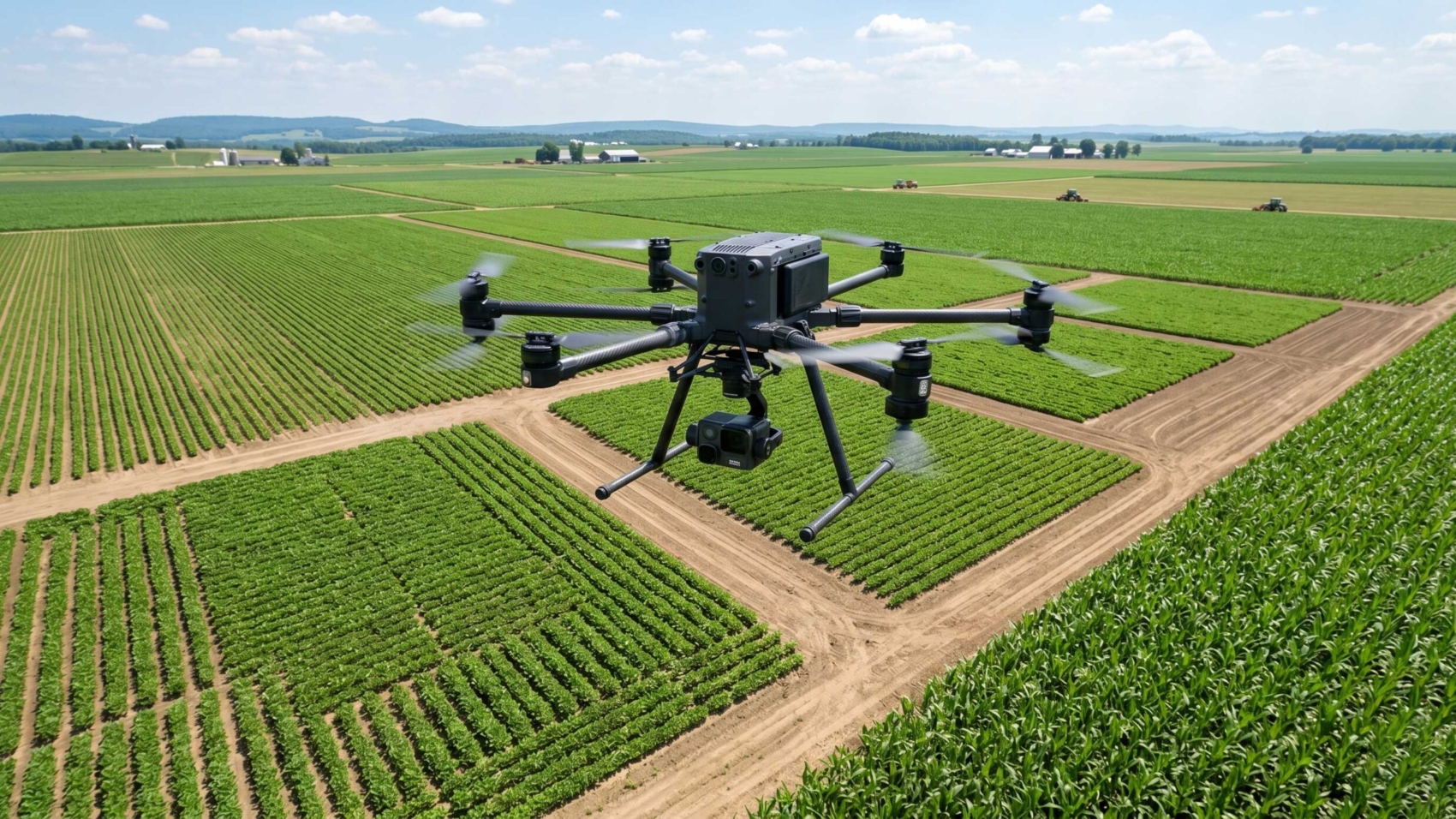
Recent advancements in artificial intelligence have revolutionized spatial weed mapping. By utilizing high-resolution multispectral imagery captured via unmanned aerial vehicles (UAVs), researchers can now identify invasive weed clusters with 98% accuracy. This targeted approach allows for localized herbicide application, drastically reducing chemical runoff and maximizing crop yields in commercial farming.
2222222222

Breaking the Cycle: New Strategies Against Herbicide-Resistant Palmer Amaranth

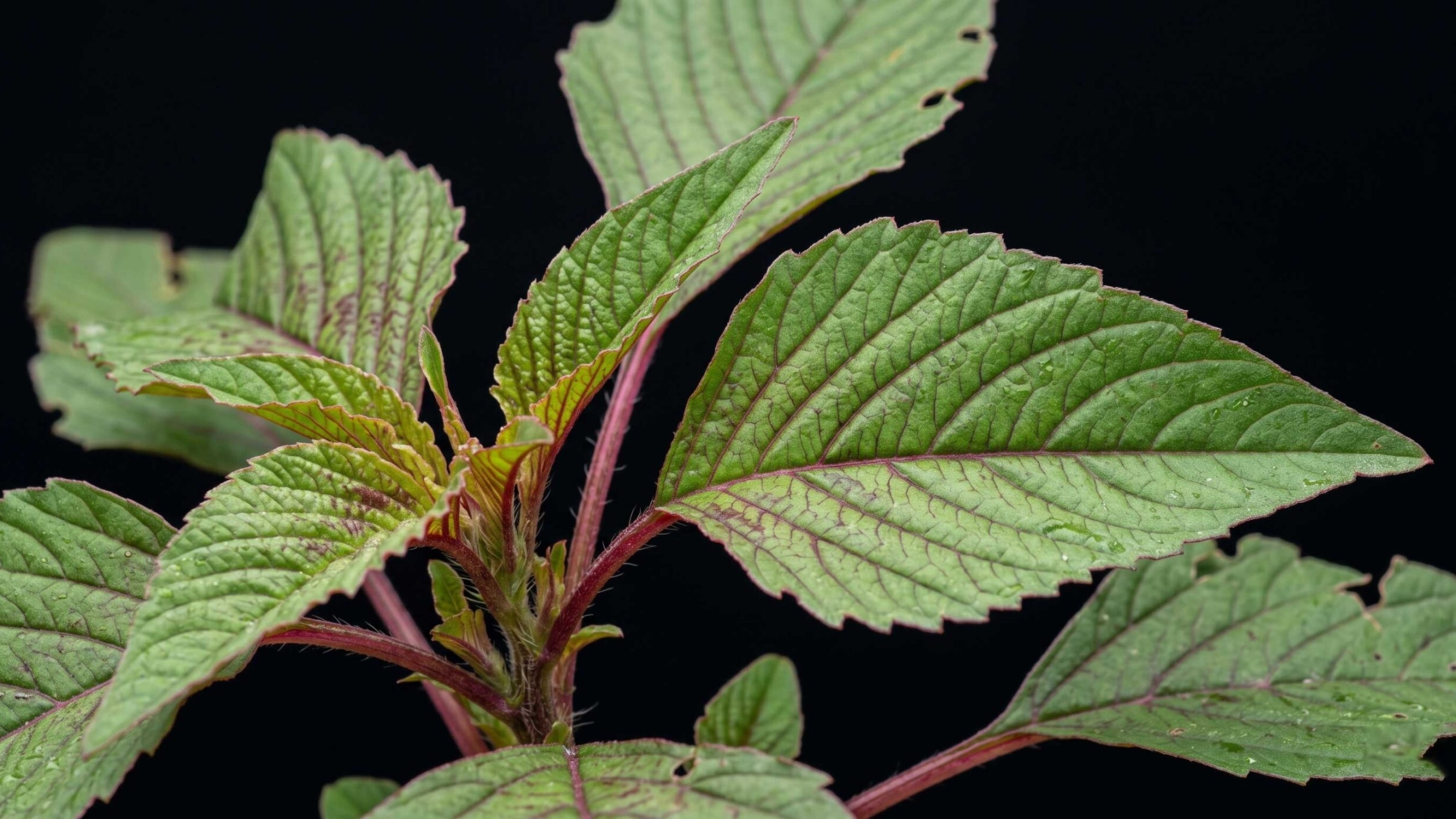
Palmer Amaranth remains one of the most aggressive and adaptive weeds in modern agriculture, developing widespread resistance to glyphosate. Our latest trials explore multi-tiered metabolic inhibitors combined with strategic crop rotation to break its reproductive cycle. Early data suggests a 40% reduction in late-season seed production when utilizing these integrated management techniques

333333333333

Unlocking the Soil Seed Bank: Predicting Weed Emergence Before It Starts

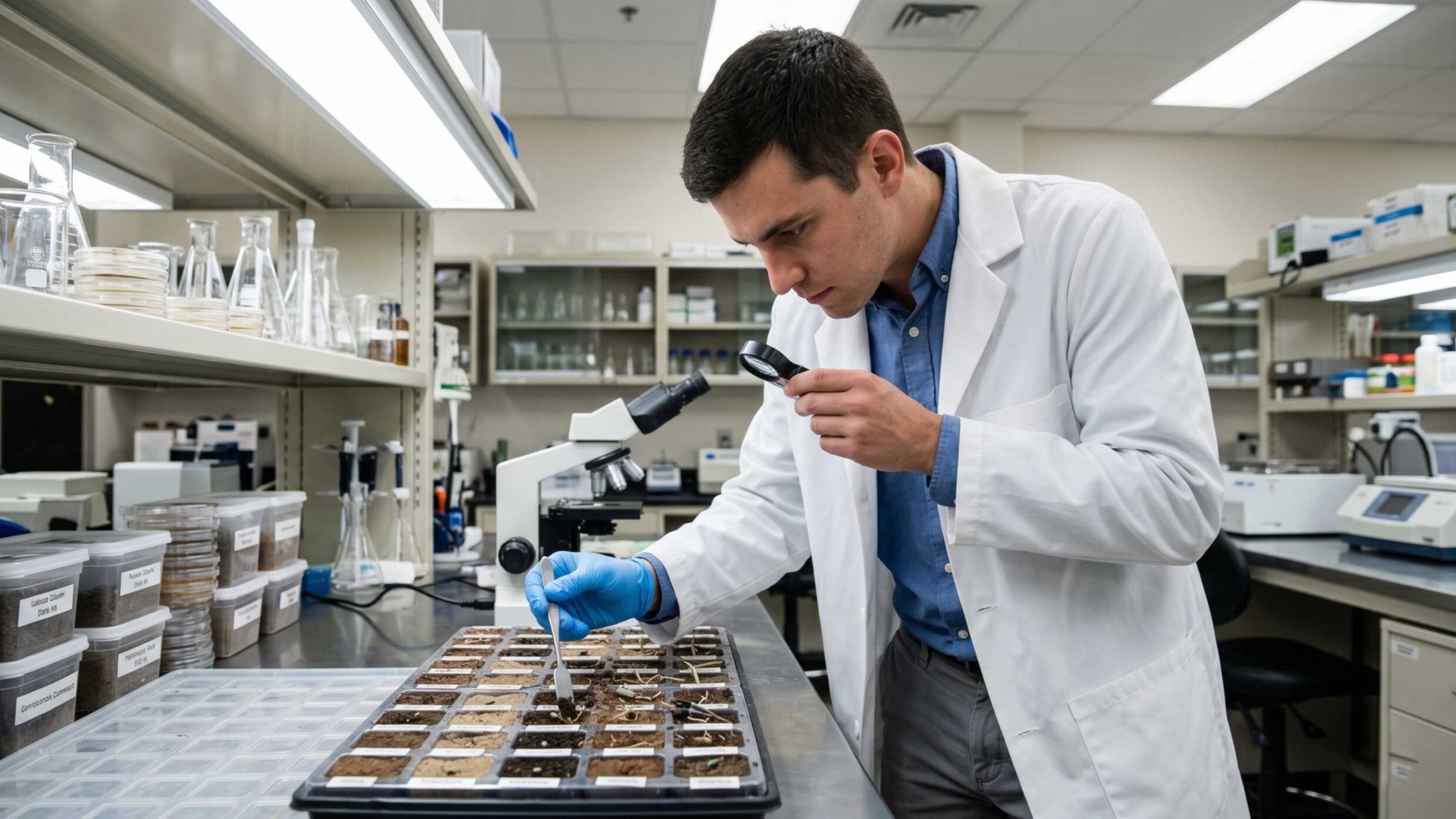
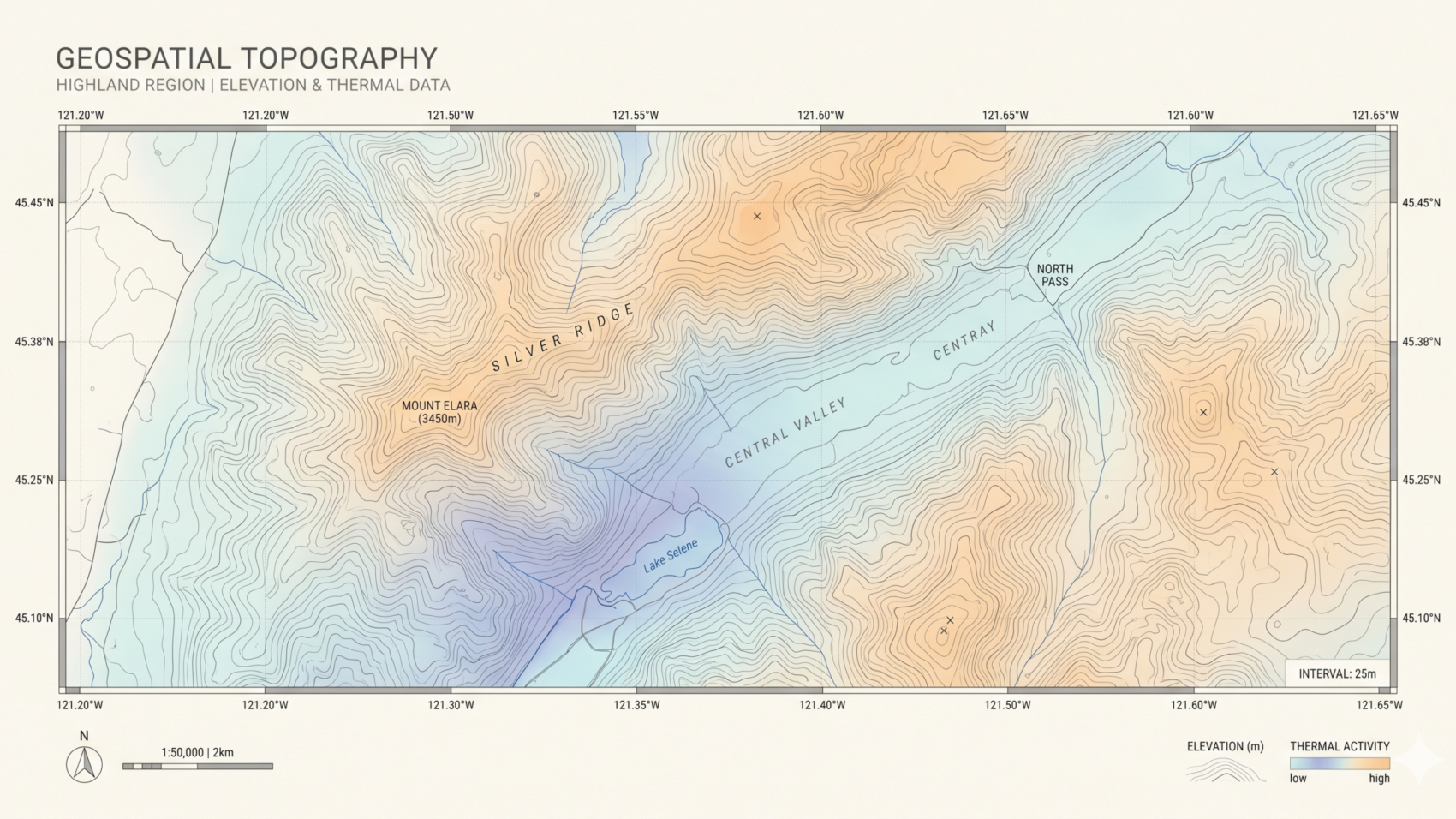
Effective weed management begins long before the first sprout appears. This study details new methodologies for deep-soil sampling to quantify dormant seed banks. By mapping seed density across varying topographies, agronomists can develop highly accurate predictive models, allowing farmers to apply pre-emergent treatments only where absolute necessity dictates.

44444444

Autonomous Farming: The Rise of Laser-Equipped Weeding Robots

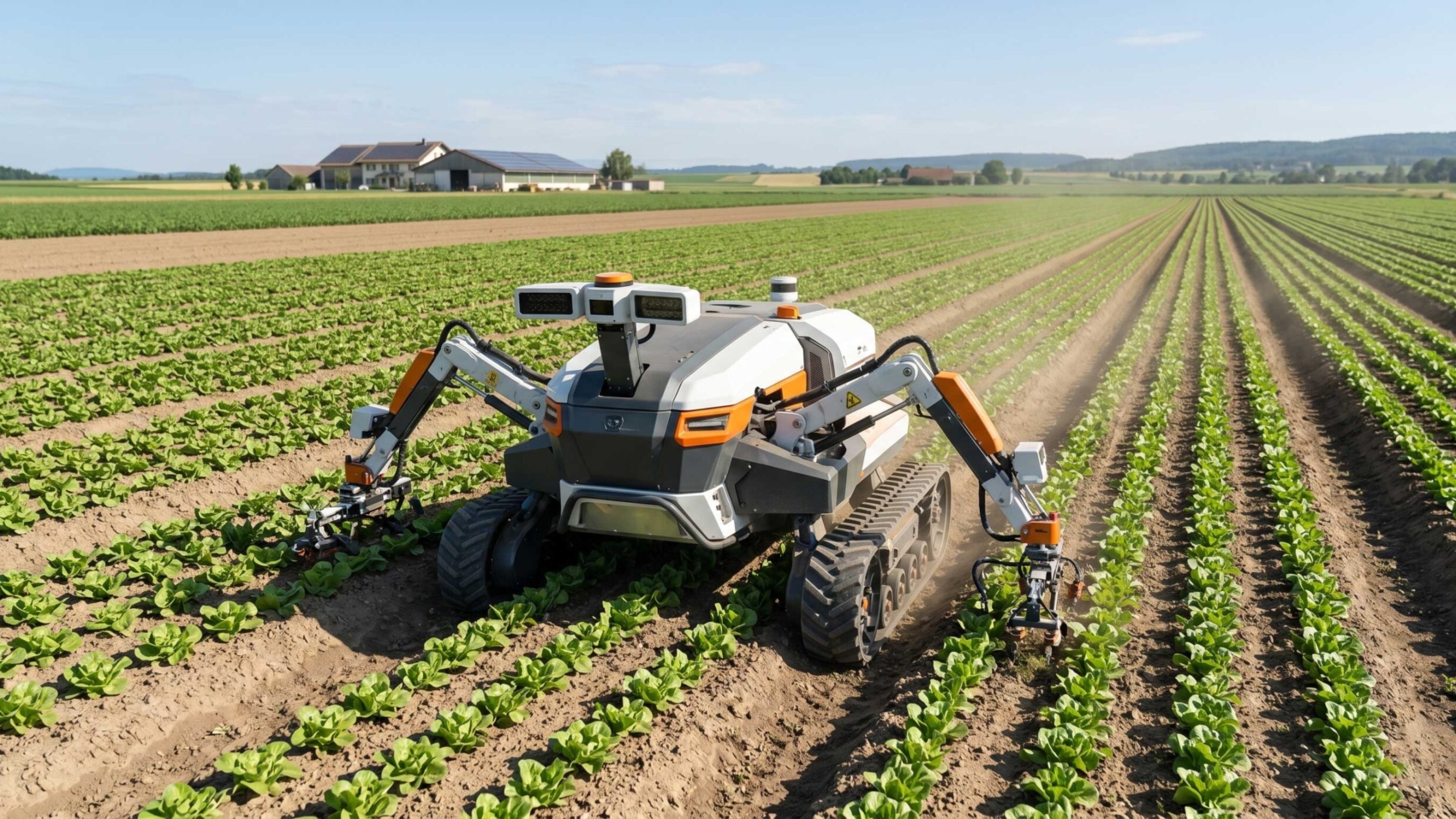
The reliance on traditional chemical herbicides is shifting as robotic technology enters the field. This review examines the efficacy of autonomous, solar-powered rovers equipped with thermal lasers. These machines identify and eliminate weeds at the cotyledon stage without disturbing the surrounding soil, presenting a highly sustainable path forward for organic agriculture.

55555555

Targeted Delivery: Nano-Herbicides and Environmental Impact

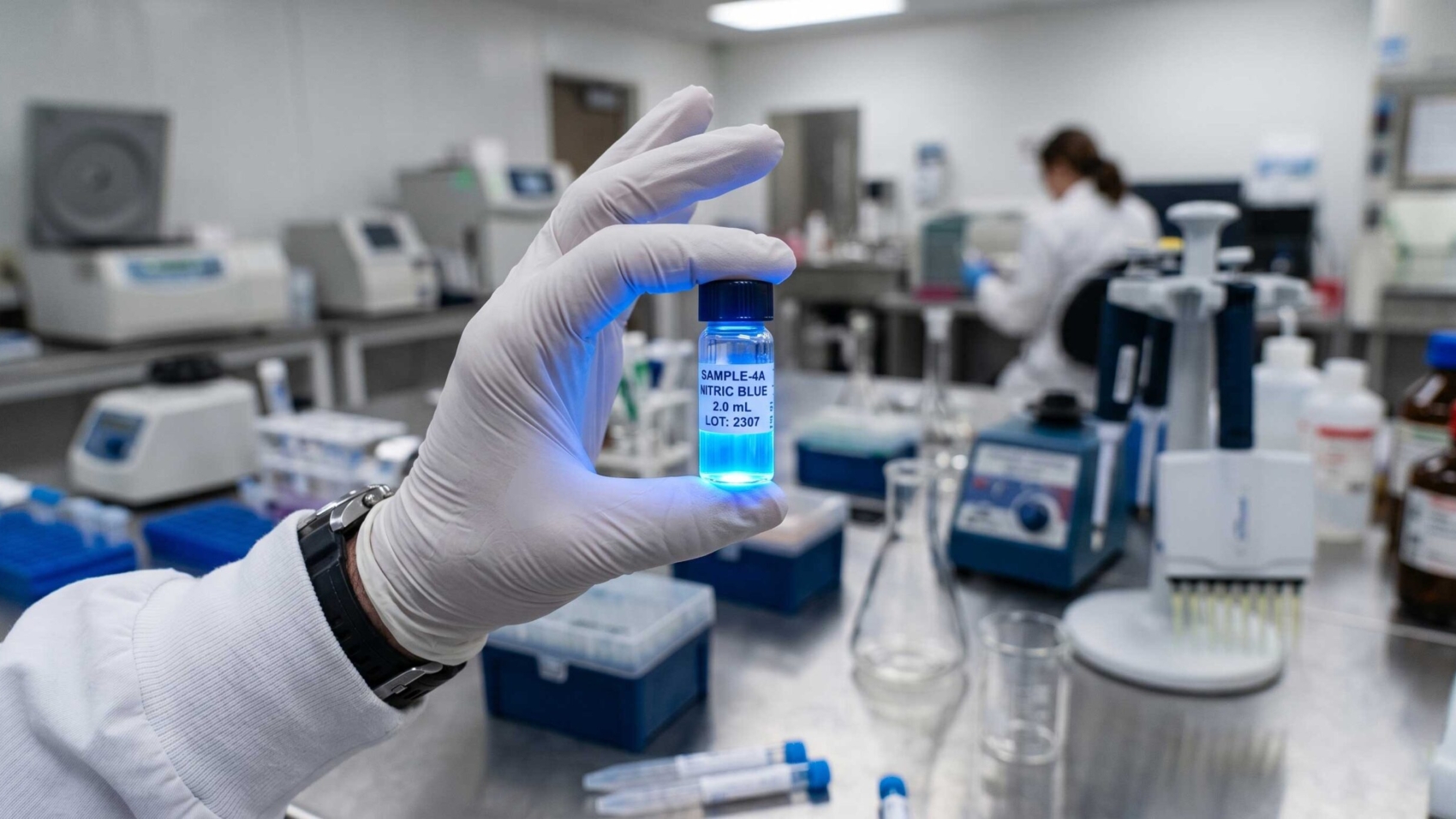
Nanotechnology is opening new frontiers in chemical weed control. By encapsulating active herbicidal ingredients within smart, nanoscale polymers, we can achieve controlled release directly into the target plant’s vascular system. This publication outlines how nano-herbicides can reduce the required chemical volume by up to 30% while minimizing soil toxicity.

666666666666666

The Organic Shield: Maximizing Cover Crops for Natural Suppression

Integrating cover crops like cereal rye and crimson clover during off-seasons serves a dual purpose: enriching soil health and physically smothering winter annual weeds. Our multi-year field survey analyzes the specific biomass requirements needed to block sunlight and inhibit weed seed germination, providing a natural blueprint for weed suppression.